Although it is possible that the current textile and garment industry is only bringing modest wages to many workers, imagine if the textile and garment industry in Vietnam were not as developed as it is now, a few million people would be employed. Where will you go, what will you do and how will you live in this industry?
For a long time, we often hear a lot of complaints and warnings from many people inside and outside the industry that the textile and garment industry only brings relatively low added value, because it mainly relies on outsourcing.
How to Keep Your Soil Fertile
Third, the textile and garment industry is also one of the initial and necessary foundations to be able to create a transformation within the economic structure of almost any developing economy. laborers with low qualifications and skills, cheap as in Vietnam in recent decades. Even the “dragons of Asia” such as Hong Kong and Taiwan used to have a thriving textile industry
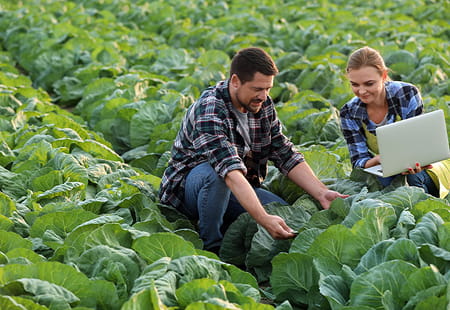
Why Is Soil Health Important?
And even if it is an industry that only brings low added value, the textile industry is still a “promising land”, a fiercely competitive battleground with many developing countries like Vietnam, Cambodia, Bangladesh, Sri Lanka, Pakistan, and Myanmar too… Not many developing countries are looking down on, denying the opportunity to develop this industry if any.
“ The platform was easy to implement and delivered value fast. Within the first month, we improved irrigation planning and reduced input costs significantly.”
Grete Annette – Farm Consultant
Signs of Healthy Soil
The global rise of organic farming reflects a major shift toward healthier, more sustainable agricultural practices. Around the world, farmers are adopting organic methods to improve soil health, protect biodiversity, and reduce reliance on synthetic chemicals. This movement is driven by growing consumer demand for clean, chemical-free food and increasing awareness of environmental issues such as soil degradation and climate change.